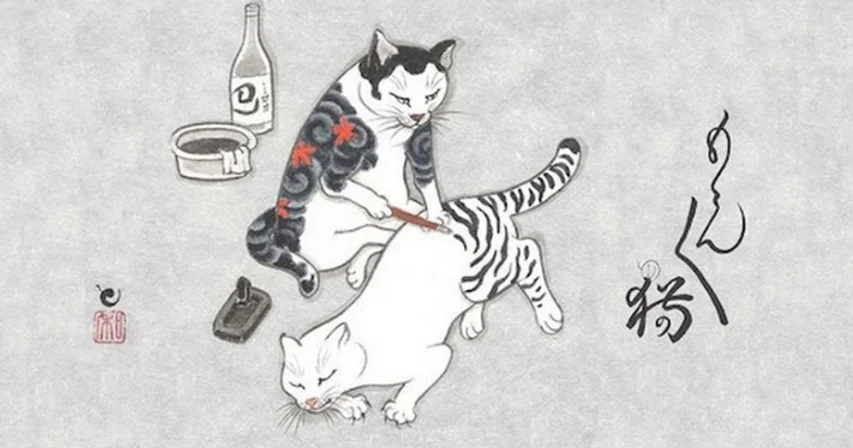
A tebori tattoo is made by hand, with the artist moving a needle grouping instead of letting an electric motor drive it. That simple distinction has produced a large amount of mythology online. Tebori is often described as automatically less painful, deeper, brighter or more authentic. Those promises are too broad.
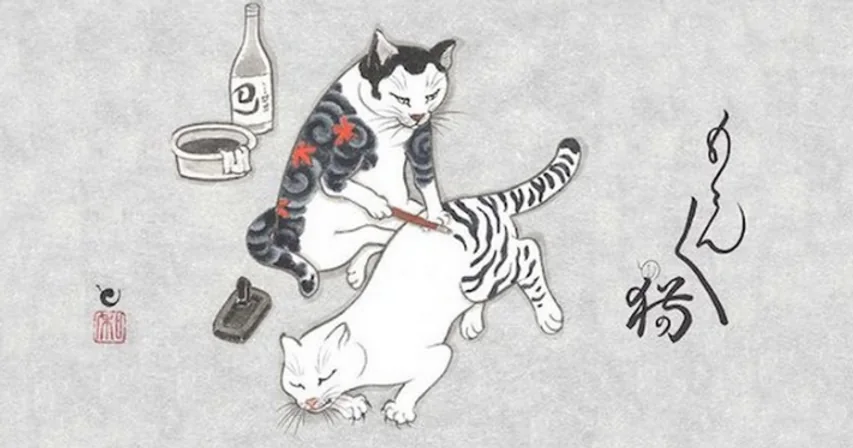
What does tebori mean?
Tebori is written 手彫り. Te means hand and bori, from horu, refers to carving or engraving. In tattooing, the term identifies work applied by hand rather than by an electrically powered machine. “Hand-carved” is a literal translation, not a claim that the skin is cut like wood.
The term does not define every Japanese tattoo. Irezumi, horimono and wabori can refer to broader traditions, bodies of work or styles, while tebori identifies a method. Contemporary practitioners may work entirely by hand or combine machine outlines with hand-applied shading and color.
How the hand technique works
A tebori artist stretches the skin with one hand and controls a handheld tool with the other. A grouping of needles at the working end carries pigment into the skin through repeated, rhythmic movements. The exact grip, angle, grouping and motion vary with the practitioner, the body area and whether the artist is lining, shading or packing color.
Handles have traditionally been associated with bamboo, but modern examples may use metal or other materials. Tool vocabulary also varies between lineages and studios, so “nomi” should not be treated as the only universal name. The CNN profile of Japanese tebori practitioners documents artists manually pushing pigment with rod-like tools, while the book Japanese Tattoos: History, Culture, Design places tebori within the wider culture of Japanese tattooing.
Tebori vs machine tattooing
| Question | Tebori | Machine tattooing |
|---|---|---|
| What drives the needles? | The artist’s hand movement | An electrically powered mechanism |
| What does it sound like? | Usually quieter, without a motor buzz | The motor creates a recognizable buzz or hum |
| How fast is it? | Depends on artist, area and task; often described as slower for comparable work | Depends on machine, artist, area and task |
| How painful is it? | Individual and session-specific | Individual and session-specific |
| How does it heal? | No universal healing advantage can be promised | No universal healing disadvantage can be assumed |
| How long does color last? | Depends on many variables, not the hand method alone | Depends on many variables, not the machine alone |
The most useful difference is mechanical: hand movement versus motor-driven movement. Everything else needs context. A machine can be used gently or aggressively, and tebori can be performed with different groupings, pressure, rhythm and session lengths. Artist skill and decision-making matter more than a slogan about one tool.
Is tebori less painful?
Search results are full of confident answers, but pain is subjective. Placement, the type of work, session duration, stress, sleep, previous experience and individual sensitivity all affect the experience. The quieter rhythm may feel calmer to one client, while another may find a long hand-worked session difficult.
A responsible artist can explain how they structure sessions and breaks, but cannot guarantee that tebori will hurt less. If pain management is important, discuss it before the appointment and follow professional advice rather than using numbing products without telling the artist.
Does tebori take longer?
Hand application is often slower than comparable machine work, but fixed claims such as “three or four times slower” are not reliable. A small area of color, a complex background, a sleeve and a full bodysuit are different projects. Some artists also use a machine for lines and tebori for selected areas, which changes the schedule.
Ask for an estimate in sessions rather than expecting a universal hourly formula. Large Japanese compositions are commonly planned and completed over multiple appointments regardless of technique. Healing intervals, design revisions, body placement and the client’s tolerance all affect the calendar.
Does tebori heal faster or age better?
There is not enough basis for a universal promise that tebori heals faster or that its colors always last longer. Healing and long-term appearance depend on the artist’s application, pigment, placement, skin, scale, aftercare, sun exposure and natural aging. “Hand applied” is not a guarantee of depth, evenness or permanence.
Healed portfolio photographs are still useful. Look for work photographed after the initial shine and redness have disappeared, ideally at different ages and in ordinary light. They show how that artist’s work has settled, but they do not predict every client’s result.
Tebori tools and hygiene
The cultural appearance of a tool does not prove that the setup is safe. Ask whether needles are sterile and single-use, how reusable parts are protected or sterilized, how ink is dispensed, how surfaces are covered and cleaned, and how contaminated waste is handled. Local licensing, registration and inspection rules differ, so check the rules where the appointment will take place.
The U.S. Food and Drug Administration warns that infections can result from unsterile practices or contaminated ink, including sealed products. The UK Health Security Agency also frames tattoo safety around infection prevention and blood-borne-virus control. Technique never replaces hygiene.
Aftercare and warning signs
Follow the written aftercare instructions supplied by the artist because dressings and recommended timing can vary. Wash your hands before touching the area, avoid picking or scratching, and do not improvise with products the artist or a health professional has not recommended.
Some redness, tenderness or warmth can occur after tattooing. The FDA advises contacting a health professional if the area is not healing, if a rash appears or if fever develops. Worsening redness, swelling, pain, unusual discharge, chills or other concerning symptoms need prompt medical attention. This guide explains selection and context; it does not replace personal medical advice.
Training, titles and “authenticity”
Some Japanese tattoo artists trained through long master-apprentice relationships and received professional names using the hori prefix. Contemporary paths are more varied. A Japanese mentor, a bamboo handle or a title can be meaningful parts of a practitioner’s background, but none should be used alone as a safety or quality certificate.
Judge the work and the working practice. Ask what the artist personally tattoos by hand, how long they have used the technique, whether they can show healed examples, how they plan large compositions and how they handle hygiene. Clear, specific answers are more useful than a claim to be the only “authentic” master in a region.
Tebori motifs and Japanese composition
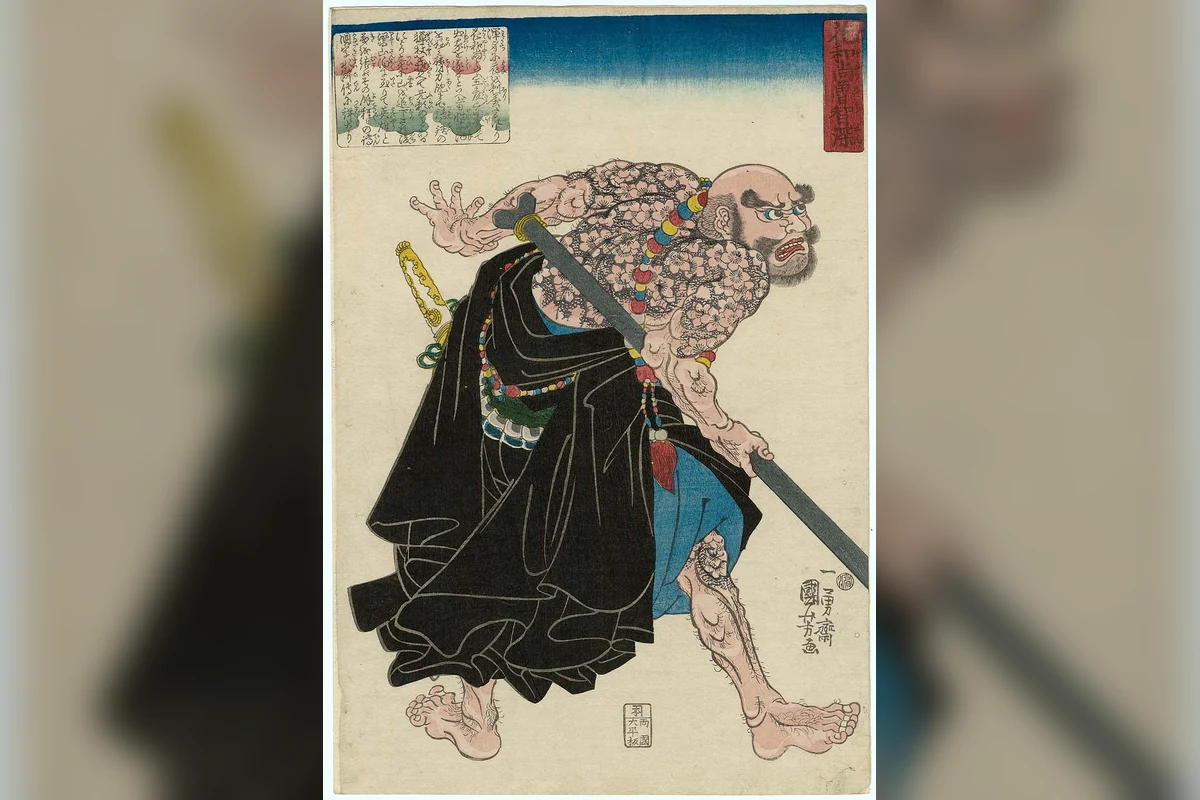
Tebori is strongly associated with Japanese compositions: dragons, koi, tigers, snakes, warriors, deities, Oni, Hannya, peonies, chrysanthemums, waves, wind bars and clouds. The technique does not assign a single meaning to those subjects. Meaning comes from the figure, story, attributes, pairing, season, placement and the wearer’s intention.
Use the separate Japanese tattoo meaning and motif guide for symbolism. For the development of large narrative tattooing, Edo print culture, legal prohibition and modern stigma, read the history of tattooing in Japan. Keeping those questions separate makes each guide more precise.
Questions to ask before booking
- Which parts of this design will be done by tebori, and which by machine?
- Can I see healed examples of comparable work?
- How many sessions do you estimate, and how long is each session?
- Are the needles sterile and single-use?
- How are reusable tool parts protected, cleaned or sterilized?
- How is ink dispensed, and how do you prevent cross-contamination?
- What written aftercare instructions will I receive?
- What local licence, registration or inspection rules apply to this studio?
- What happens if I need to stop a session or change the schedule?
What Dai Yokai can and cannot tell you
Dai Yokai makes contemporary Japanese-inspired masks in a Brittany workshop. Studying Oni, Hannya and other figures creates a practical interest in line, expression and motif, but it does not make the workshop a tebori studio or a medical authority. This article therefore separates documented tattoo information from claims that require an individual artist or health professional.
Sources and further reading
- U.S. Food and Drug Administration, tattoo ink, infection and reaction guidance
- UK Health Security Agency, infection prevention and control for tattooing
- CDC/NIOSH, cross-contamination and blood-borne-pathogen awareness for body artists
- CNN Style, interviews and photography documenting contemporary Japanese tebori practice
- Japanese Tattoos: History, Culture, Design, Brian Ashcraft and Hori Benny
FAQ
What is a tebori tattoo?
Tebori is a Japanese hand-tattooing method. The artist uses a handheld tool fitted with needles and inserts pigment through repeated manual movements instead of relying on an electric motor. The word literally refers to carving or engraving by hand. It describes a technique, not one fixed motif, one tool design or every form of Japanese tattooing.
How does tebori tattooing work?
The artist stretches the skin and moves a needle grouping by hand in a controlled rhythm to place pigment. Handle materials, needle configurations and working movements can vary by practitioner and by the part of the design. Some artists combine machine outlines with hand-applied shading or color, while others complete more of the work by hand.
Is tebori more painful than a machine tattoo?
There is no universal answer. Pain depends on the body area, session length, individual sensitivity, the artist and the work being done. Some clients describe tebori as quieter or differently paced; others find a long hand-tattooing session demanding. Treat personal accounts as experiences, not proof that one method always hurts less.
Does tebori heal faster than machine tattooing?
A faster healing time should not be promised from the technique alone. Healing varies with the skin, placement, size, artist, hygiene, aftercare and possible complications. Follow the artist’s written aftercare instructions and seek medical advice if redness, swelling, pain or discharge worsens, or if you develop a fever or another concerning reaction.
Do tebori colors last longer?
There is no reliable universal rule that hand-applied color lasts longer than machine-applied color. Long-term appearance depends on pigment, application, placement, skin, aftercare, sun exposure and aging. Ask to see an artist’s healed work photographed months or years later, but remember that a portfolio cannot guarantee how your own tattoo will age.
What tools are used for tebori?
A tebori setup uses a handheld shaft or handle with a needle grouping attached at the working end. Bamboo has a strong traditional association, but contemporary tools may also use metal or other cleanable materials. Tool names and configurations vary. What matters for a client is a safe setup, sterile single-use needles and controlled cross-contamination procedures.
Is tebori only used for Japanese tattoo motifs?
Tebori is closely associated with Japanese tattooing and large compositions featuring figures, animals, flowers, wind, water and background elements. It is a method rather than a list of allowed subjects, so an artist may apply it to other imagery. If historical coherence matters, discuss motif combinations, seasons, placement and background with a specialist.
How do I choose a tebori tattoo artist?
Review fresh and healed work, ask which parts are done by hand, and discuss hygiene, needle disposal, ink handling, aftercare and local licensing or registration. A Japanese name, bamboo handle or dramatic biography is not enough. Choose an artist who explains the process clearly, respects your limits and gives realistic answers about time, pain, healing and results.