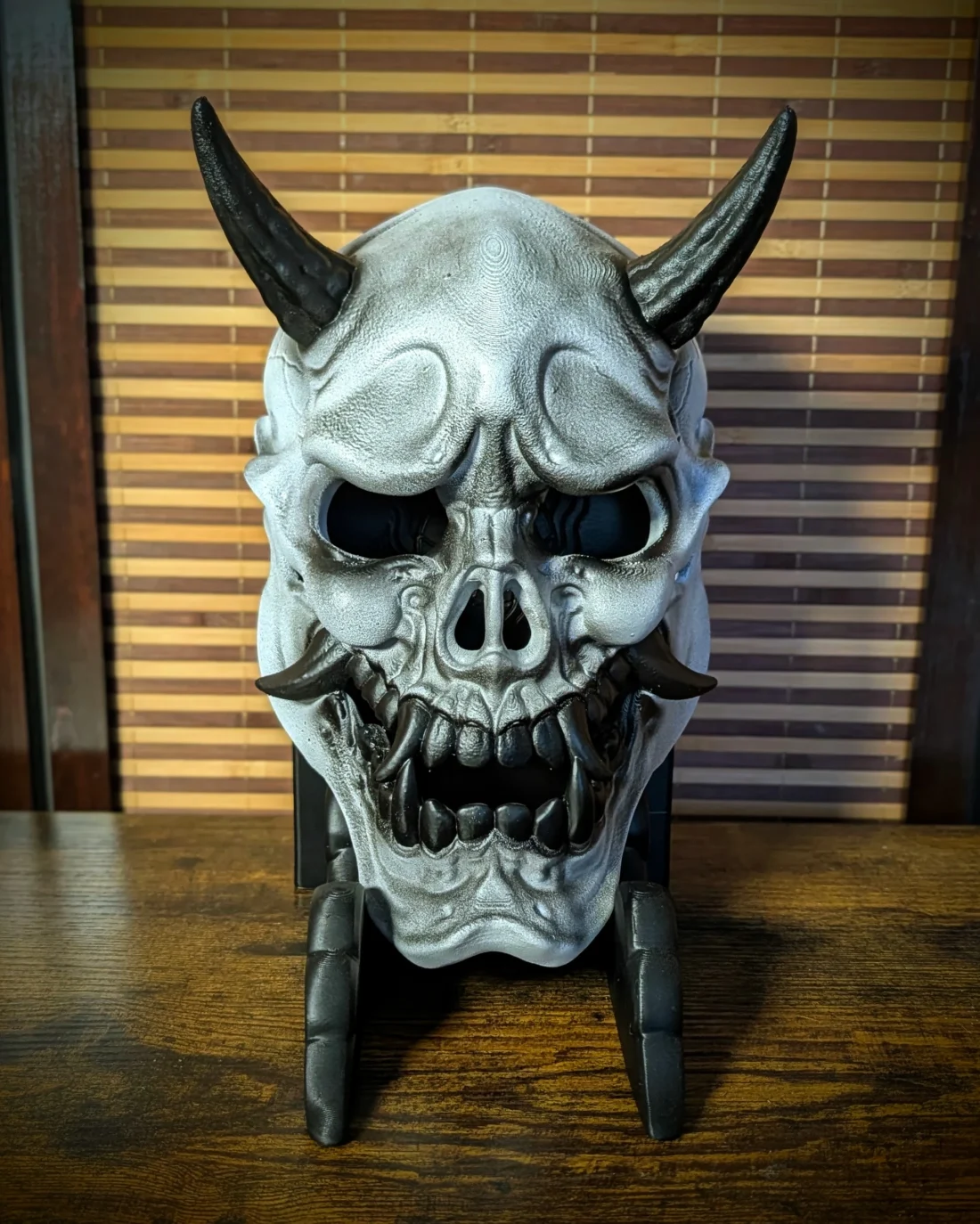
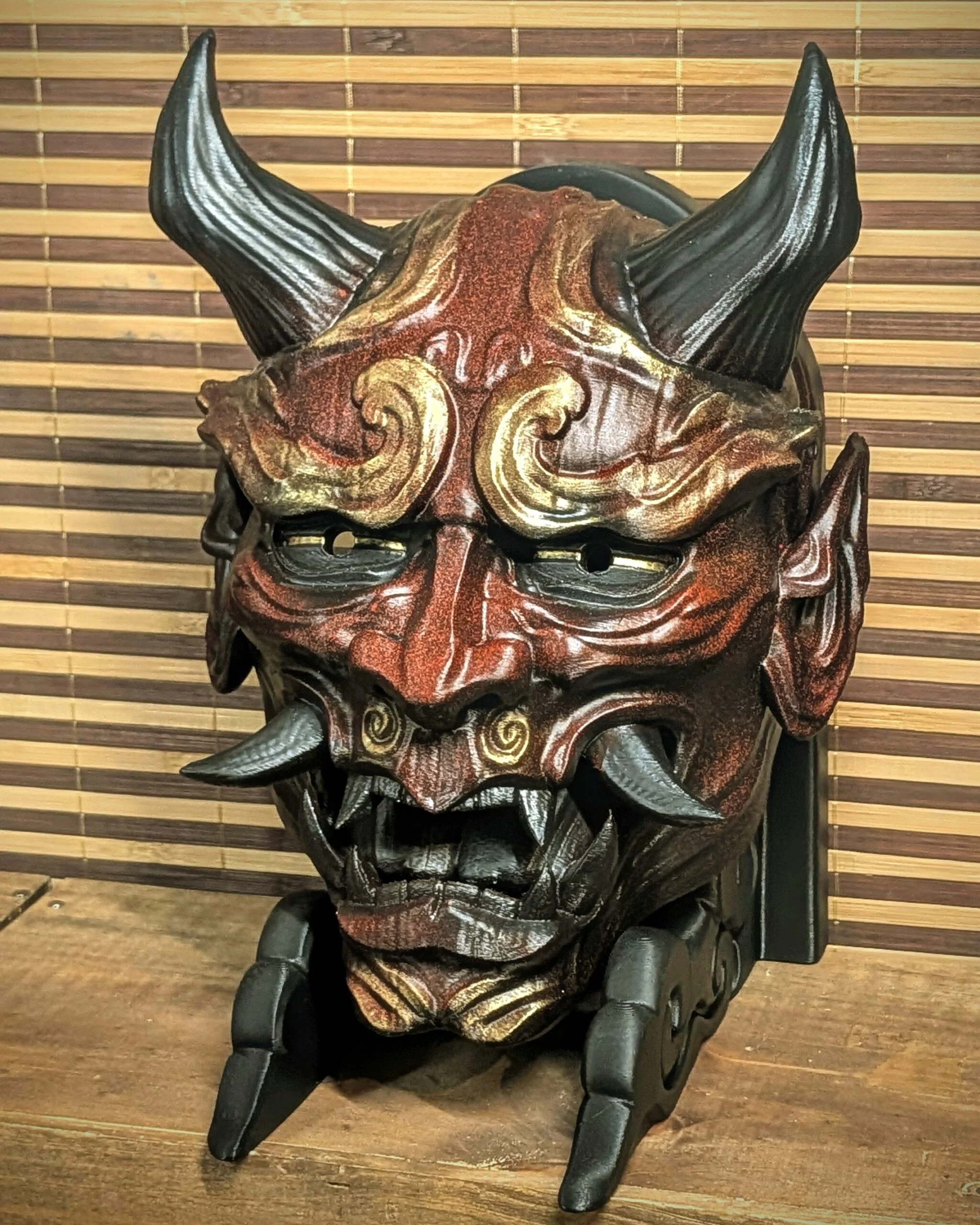
Female yōkai: Hannya, Yuki-onna, Kuchisake-onna and Jorōgumo
Four female supernatural figures, four different histories: Nō theatre, snow traditions, urban rumour and shape-shifting spiders.
Search Dai Yokai
Stories and inspiration
Journal articles from the Japanese folklore section.
Four female supernatural figures, four different histories: Nō theatre, snow traditions, urban rumour and shape-shifting spiders.
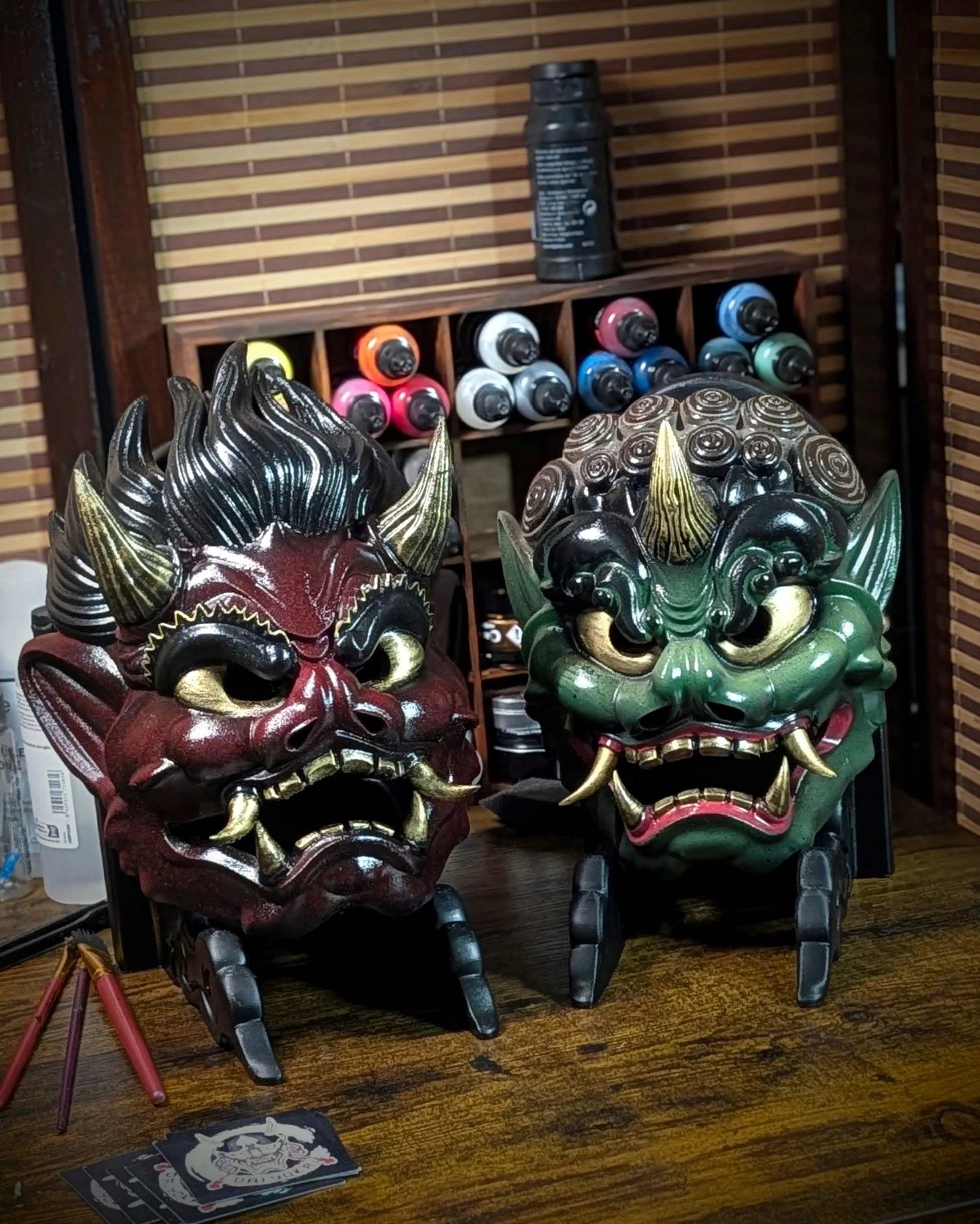
Red, black, white or gold: compare cultural context, contrast, finish and lighting to choose a Japanese mask colour for your space.
Komainu guard shrine entrances. Oni, Tengu and dragons are protective only in particular contexts. Compare the figures without treating them as one family.
The thunder god and wind god in tattooing: meanings, identifying features, colours and how the pair works in an irezumi composition.
The Japanese Ryū dragon in tattooing: natural power, water, clouds, colours and composition, without treating every visual detail as a fixed code.
Learn how context, veneration and story separate yōkai from kami in Japanese culture, with examples including oni, kitsune, Inari and tengu, and Fudō as a Buddhist third case.
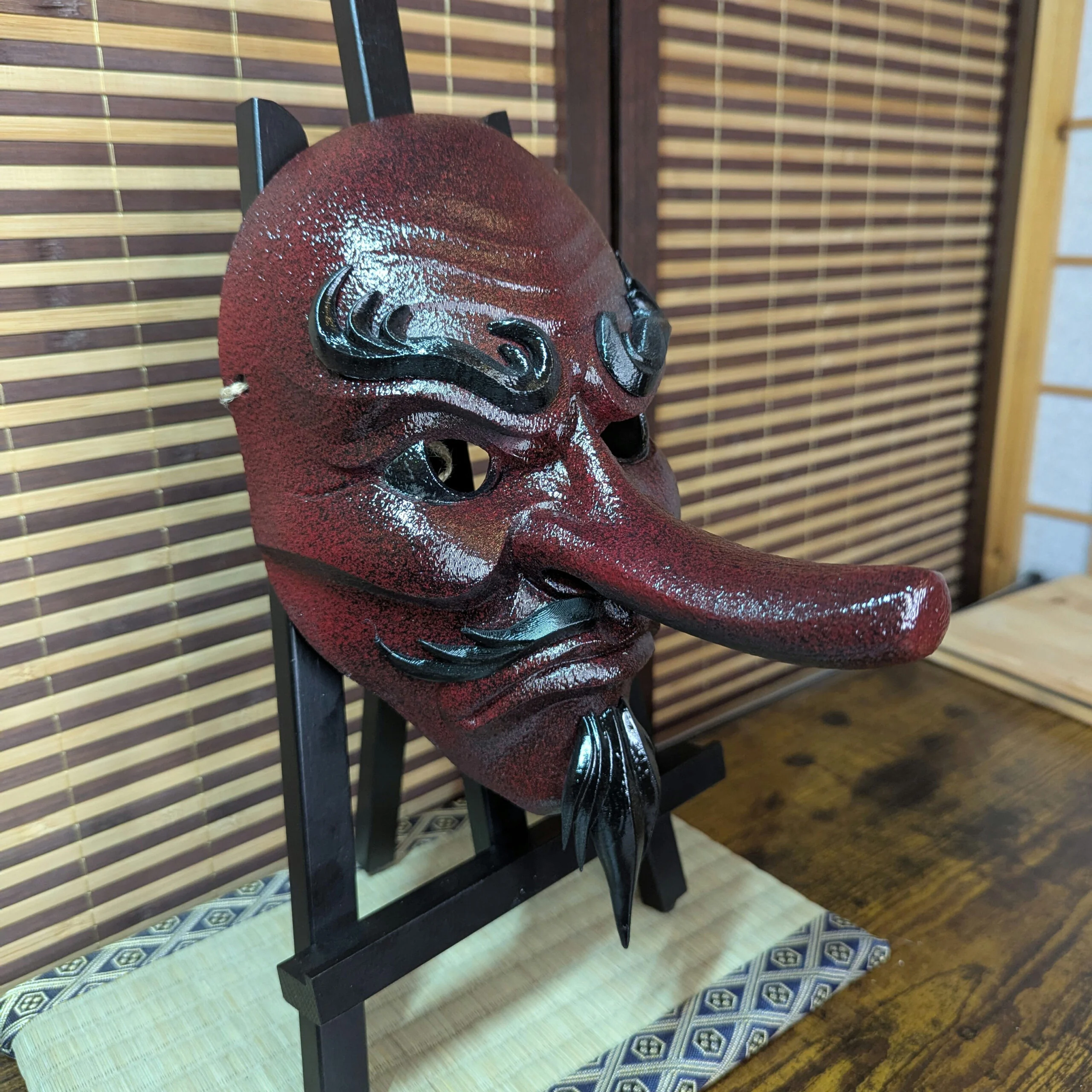
Explore Tengu tattoo meanings, Daitengu and Karasu forms, pride, mountain guardians, colors and placement for a coherent irezumi project.